The holiday season has always been a time of tradition, generosity, and meaningful exchanges between families and friends. While today’s gift giving often includes toys, electronics, and modern must haves, there is a long and fascinating history behind the act of giving gold and silver during Christmas. These precious metals have carried symbolic meaning for centuries and still play a role in many holiday traditions around the world.
For many people who search for information about old gold jewelry, silver coins, or family heirlooms during Christmas week, it is interesting to learn how deeply these materials are woven into the spirit of the season. Gold and silver are not only valuable metals. They are part of a much larger story about celebration, memory, and the way families share meaningful items during the holidays.
Gold and Silver in Early Christmas Traditions
Long before modern gift giving became common, gold and silver held special places in early winter celebrations. In many cultures, the winter season represented hope, renewal, and the promise of brighter days returning. Precious metals were seen as symbols of warmth and light, which made them fitting gifts during the coldest time of the year.
In ancient Europe, families often exchanged small silver tokens to mark the winter season. Gold was considered a symbol of good fortune and protection, so it was given during important gatherings or major family events. These traditions helped shape what would eventually become holiday gift giving as we know it today.
A Special Role in Christmas Stories
Gold and silver appear throughout some of the most well known stories tied to Christmas. The gift of gold from the biblical account of the Three Wise Men is one example that shaped how people view the value and symbolism of gold during the holiday season. Gold represented honor and significance, which is why it became associated with meaningful gifts.
Silver has its own historical presence as well. In many older holiday tales, silver coins were believed to bring luck when found during the Christmas season. Families would hide silver coins in baked goods or place them on the holiday table as a way of sharing blessings for the coming year.
These stories continue to influence how people think about treasured items during the holidays, especially as families look through their own gold jewelry, silverware, or coin collections that have been passed down through generations.
Gold and Silver as Symbols of Memory
One reason gold and silver remain connected to Christmas is the strong sense of memory tied to these materials. Precious metals do not break down or fade with time. They last for generations, which makes them ideal for family pieces that hold emotional significance.
Rings, brooches, silver flatware, and coins often become part of a family’s holiday traditions. Many people display them, wear them, or share stories about their origins during Christmas gatherings. These items often carry memories of parents, grandparents, and other loved ones, which is why discovering them again during holiday cleaning or decorating can bring back meaningful moments.
Gold and silver may not be used as gifts in the same way they were centuries ago, but they still play an important role in connecting families to their past.
How Holiday Gatherings Bring Old Items to Light
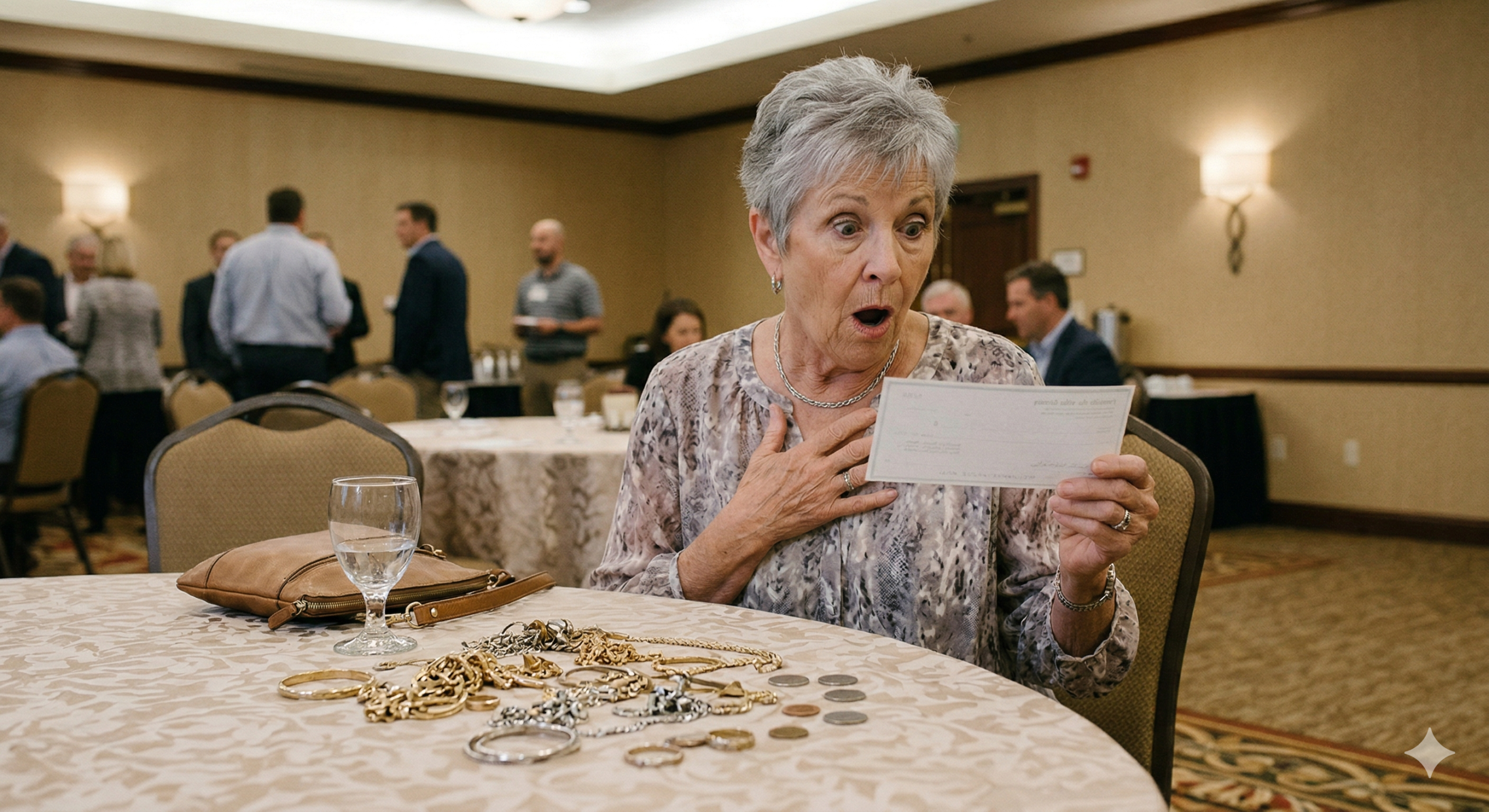
Christmas week is one of the most common times of the year for people to rediscover old valuables. Families decorate, clean, and prepare for guests, which often leads to opening drawers, boxes, and storage spaces that stay untouched through most of the year. It is not unusual for someone to come across a forgotten necklace, a small pile of silver coins, or vintage collectibles that once belonged to a family member.
These discoveries spark conversations. Older relatives may share the story behind a piece of jewelry. A grandparent may remember when a silver set was first purchased. A parent may point out coins collected decades earlier. These moments keep holiday traditions alive and help families understand the significance behind what they own.
A Holiday Connection to Coins and Collectibles
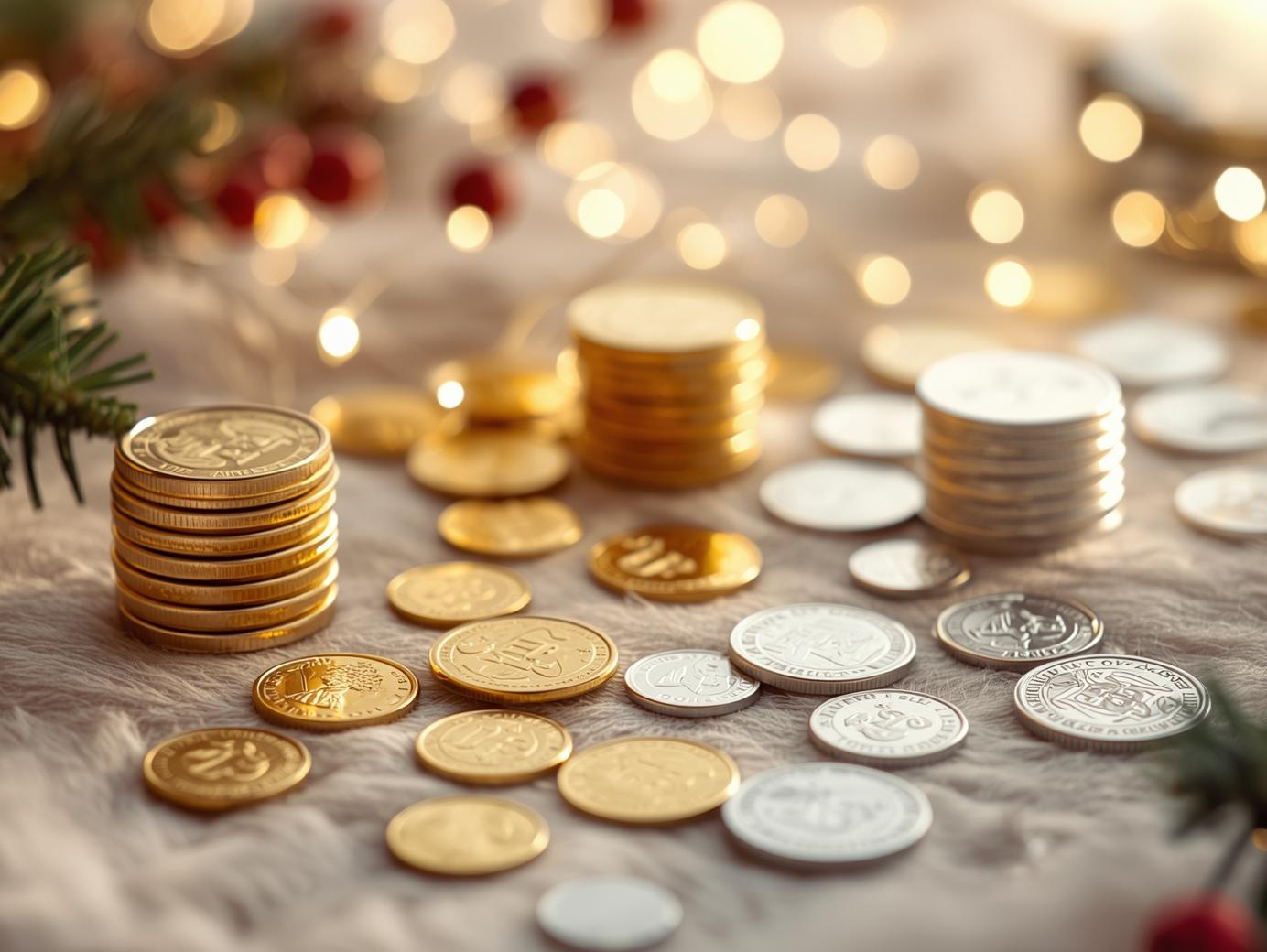
Coins in particular have a strong place in Christmas history. For generations, families around the world placed coins into stockings for good luck. Some cultures gifted silver coins to children as a sign of prosperity for the coming year. Others used special commemorative coins as holiday keepsakes tied to important moments in history.
Collectors often feel more connected to their items during Christmas week, especially when they remember where certain pieces came from or who passed them down. Many of the most cherished items families own are discovered or discussed during the holiday season.
Why Gold and Silver Continue to Feel Special During Christmas
Even in a modern world filled with digital gifts and fast shopping, gold and silver continue to hold emotional and symbolic weight during the holidays. These materials represent something timeless. They hold stories. They connect people to their family’s history. They remind us that some traditions stay meaningful no matter how much the world changes.
Gold and silver have been part of holiday celebrations for centuries, and they continue to appear in small but important ways during Christmas week. Whether someone wears a gold necklace passed down by a loved one or opens a box of old coins that has been tucked away for years, these items carry a sense of holiday warmth that cannot be replaced.
A Christmas Week Reflection
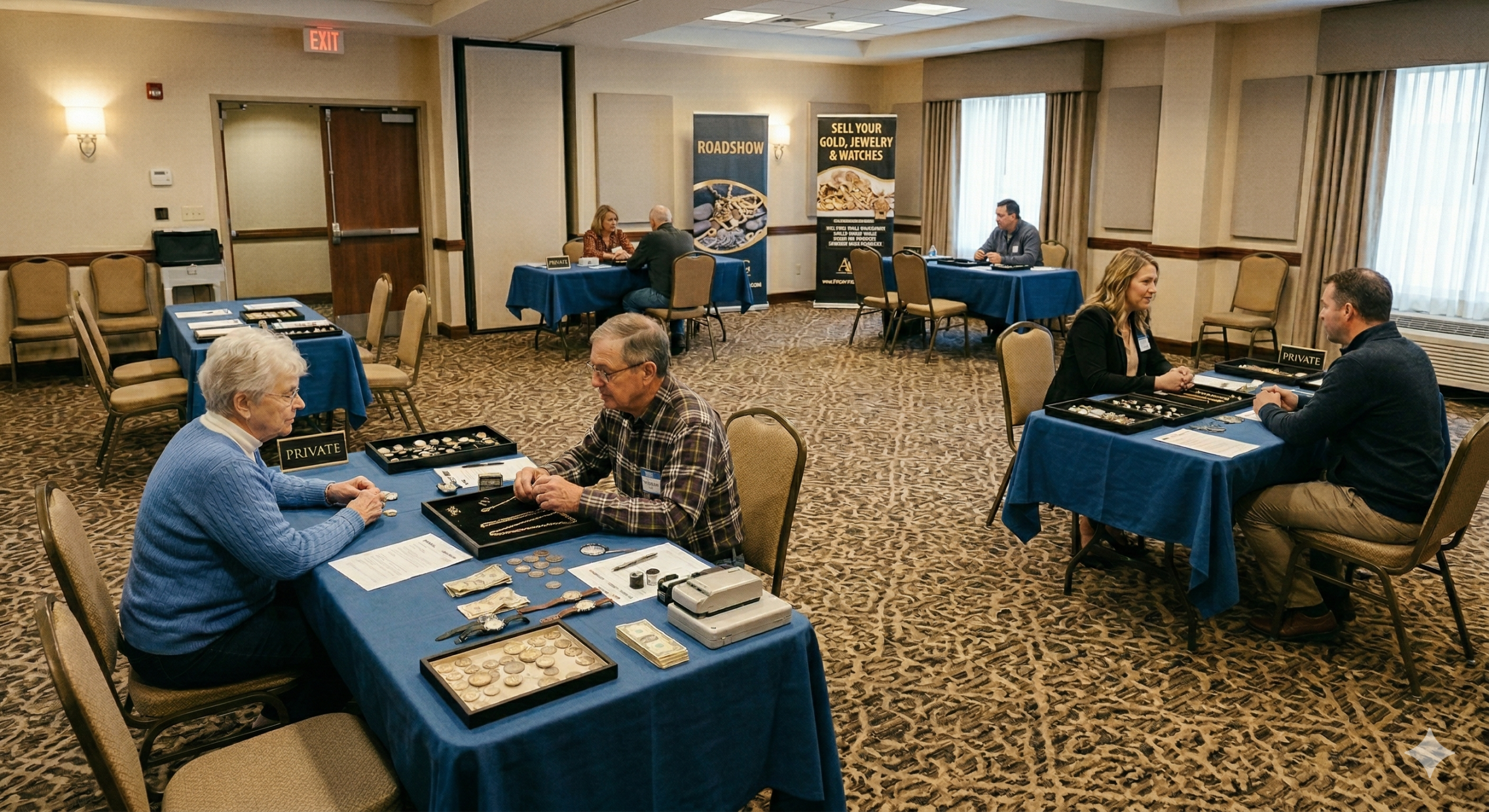
Gold and silver continue to hold a special place in Christmas traditions, from early holiday stories to the memories families share today. They remain symbols of light, connection, and meaning. Christmas week often inspires people to look through the valuables they own, and Premier is here for anyone who chooses to bring items in for a safe and trusted in person evaluation for purchase.